
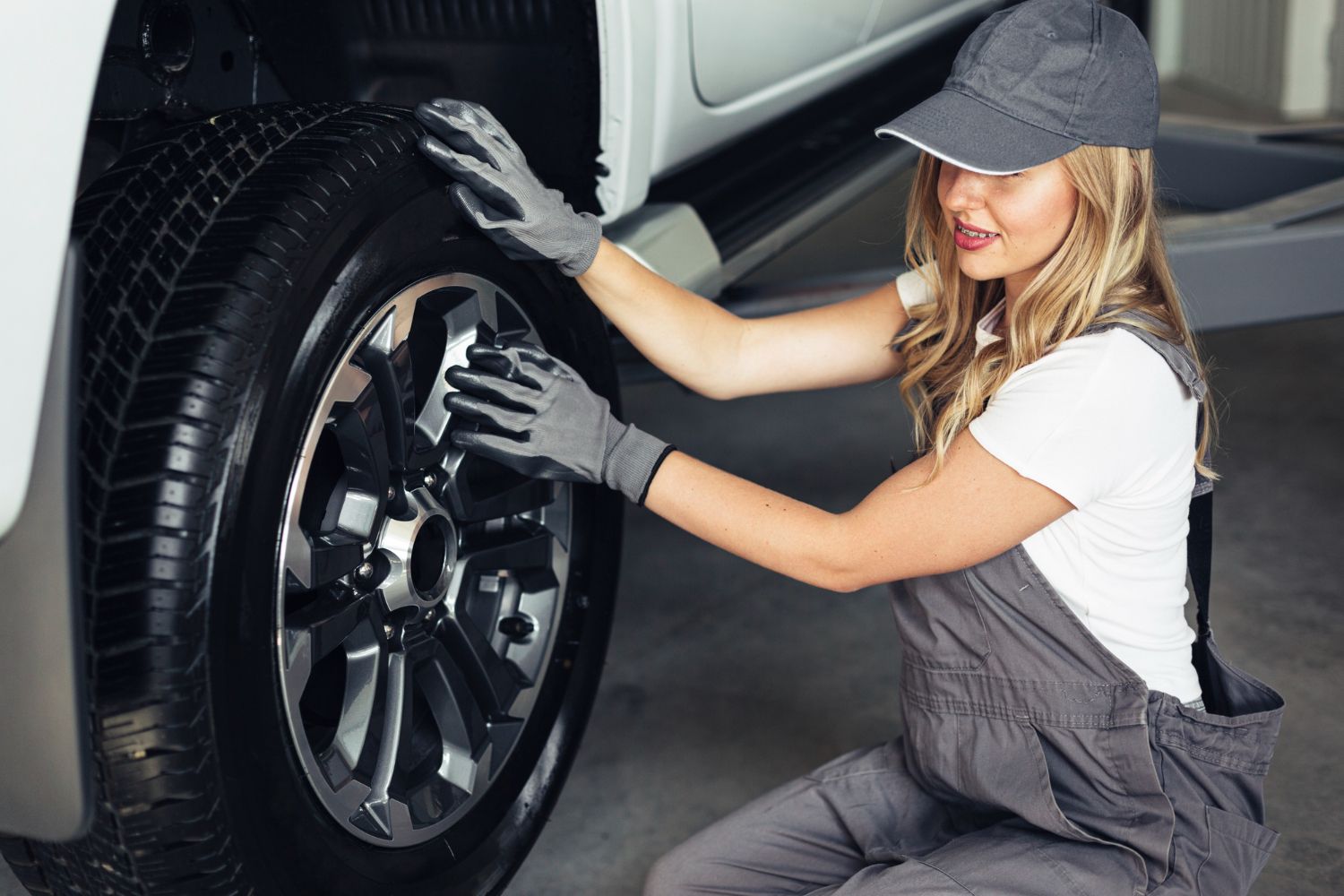
Modern vehicles rely on alloy wheels for both performance and appearance. Over time, kerb damage, corrosion, and everyday wear can reduce their visual appeal and even affect driving comfort. Alloy Wheel Refurbishment offers a practical, cost-effective way to restore wheels to a high standard without the need for full replacement. This article explains how professional refurbishment works, why it matters, and what vehicle owners should know before choosing a service.
The focus is on awareness and education, helping drivers understand their options and make informed decisions. Whether for daily cars, fleet vehicles, or premium models, Alloy Wheel Refurbishment remains a trusted solution across the UK.
Why Alloy Wheel Refurbishment Matters for Vehicle Value
Wheels play a bigger role in vehicle value than many drivers realise. Scratched, scuffed, or corroded alloys can make a well-maintained car look neglected. Alloy Wheel Refurbishment addresses this issue by restoring wheels to a clean, professional finish that matches the original design.
In the used car market, appearance strongly influences buyer perception. Dealerships and private sellers often invest in Alloy Wheel Refurbishment before listing vehicles because refurbished wheels create a strong first impression. Even minor damage, when left untreated, can reduce perceived value and slow down sales.
From a safety perspective, refurbishment also helps identify hidden issues such as cracks or buckling. Professional inspections ensure wheels remain structurally sound, not just visually improved. This combination of appearance and safety makes Alloy Wheel Refurbishment a smart investment rather than a cosmetic luxury.
The Alloy Wheel Refurbishment Process Explained Clearly
Understanding the process helps drivers appreciate the value of professional Alloy Wheel Refurbishment. The procedure typically starts with a full inspection to assess damage. Wheels are then removed, cleaned, and stripped of old paint or coatings.
Any dents, kerb marks, or corrosion are repaired using specialist tools. Once the surface is smooth, wheels are primed, painted, and sealed with a protective lacquer. This ensures durability against weather, brake dust, and road debris.
The key difference between professional and DIY approaches is consistency. Skilled technicians use controlled environments and precise techniques to deliver long-lasting results. This explains why Alloy Wheel Refurbishment carried out by professionals often lasts years with proper care.
Refurbish Alloy Wheels Price Expectations
One of the most common questions drivers ask is about refurbish alloy wheels price. Costs vary depending on wheel size, level of damage, and finish type. Minor cosmetic repairs cost less than full strip and repaint services, while diamond-cut wheels often require specialised machinery.
Drivers should view refurbish alloy wheels price as a balance between quality and longevity. Extremely low prices may indicate rushed work or limited surface preparation. Reputable providers explain pricing clearly and outline what the service includes.
Comparing refurbish alloy wheels price across providers is helpful, but value matters more than cost alone. A well-refurbished wheel improves appearance, protects against future damage, and avoids repeat repairs, making it more economical over time.
Alloy Wheel Refurbishment Cost Versus Replacement
When damage occurs, many drivers consider replacing wheels altogether. However, alloy wheel refurbishment cost is significantly lower than buying new alloys. Replacement wheels can cost hundreds or even thousands per set, especially for premium vehicles.
Alloy wheel refurbishment cost usually represents a fraction of replacement pricing while delivering comparable visual results. For fleet operators and lease vehicles, refurbishment is particularly popular because it meets return standards without excessive expense.
From an environmental perspective, refurbishment also reduces waste. Reusing existing wheels lowers material consumption and supports sustainable vehicle maintenance. This practical and responsible approach is another reason alloy wheel refurbishment cost continues to appeal to modern drivers.
Choosing Alloy Wheel Refurbishment Wolverhampton Services
Local expertise matters when selecting a service provider. Alloy Wheel Refurbishment Wolverhampton options are popular due to their accessibility and understanding of regional driving conditions. Local providers often offer faster turnaround times and personalised service.
Drivers in Wolverhampton benefit from technicians familiar with common road damage patterns, including kerb scuffs and pothole-related issues. Alloy Wheel Refurbishment Wolverhampton specialists can advise on finishes suited to daily driving and local weather conditions.
When choosing a provider, drivers should look for experience, clear communication, and transparent pricing. A trusted Alloy Wheel Refurbishment Wolverhampton service ensures consistent quality and peace of mind throughout the repair process.
FAQs
What is Alloy Wheel Refurbishment used for?
Alloy Wheel Refurbishment restores damaged or worn wheels, improving appearance, safety, and vehicle value.
How is refurbish alloy wheels price calculated?
Refurbish alloy wheels price depends on wheel size, damage level, and finish type required.
Is alloy wheel refurbishment cost cheaper than replacement?
Yes, alloy wheel refurbishment cost is usually much lower than replacing wheels with new ones.
Do Alloy Wheel Refurbishment Wolverhampton services offer quick turnaround?
Many Alloy Wheel Refurbishment Wolverhampton providers offer fast, local service with minimal downtime.
How long does Alloy Wheel Refurbishment last?
Professional Alloy Wheel Refurbishment can last several years with proper care and regular cleaning.